
 by ASPIRE-AT Programme
Leading with Strength: How IFAD and ASPIRE-AT are Helping Women Transform Rural Communities in Cambodia
Strategic Leadership and Inclusive Cooperative Management
In the flat, sun-washed fields of Kampong Chhnang, where vegetables glisten in early morning dew and motorbikes hum along narrow laterite paths, a quiet but powerful transformation is unfolding. At the heart of this change stands Ms Rith Chantha, a woman whose courage and persistence have helped redefine what leadership looks like for rural women across Cambodia.
Chantha is the Chairwoman of the Toek Hout Mean Chey Kdey Sang Khem Agricultural Cooperative, a vibrant cooperative that today counts 1,030 members, including 669 women, whose voices are now stronger and more visible than ever before. She also serves as Chairwoman of the Social Entrepreneurs Union of Agricultural Cooperatives and the Women in Agribusiness Network, positions unimaginable to her when she first stepped into community leadership years ago.
Her early journey was marked by doubt and criticism. Many in her village questioned whether a woman should lead, negotiate with traders, manage finances or make decisions for hundreds of households. Even some women resisted the idea, echoing long-held beliefs that a woman’s place was limited to her home. The pressure sometimes became overwhelming.
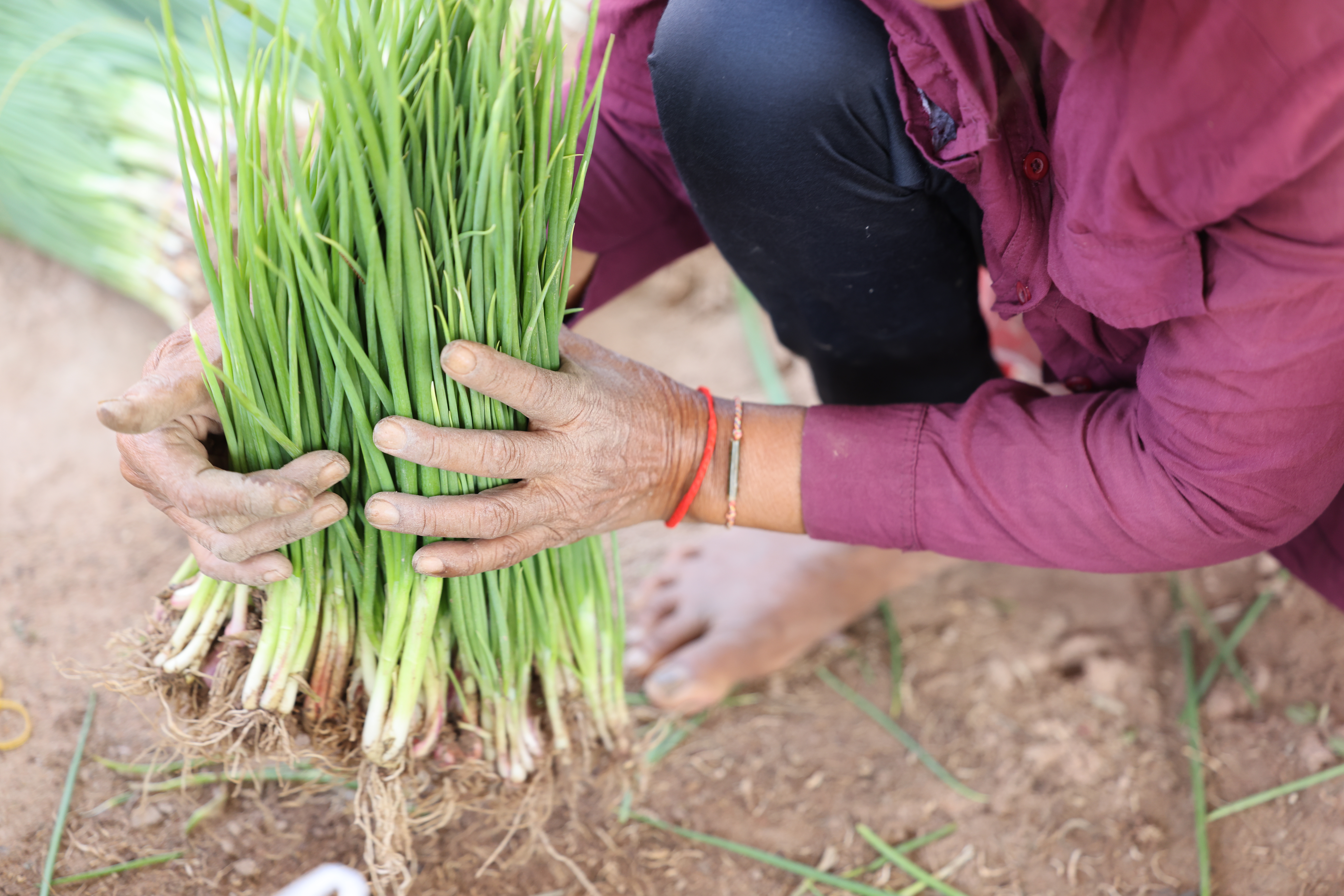
“There were moments when I wanted to give up,” she recalls softly. “But I realised that if I stopped, it would send a message to every girl and every woman that leadership is not for us and that could not be the future we accept.”
It was during these moments of uncertainty that IFAD-supported initiatives, first ASPIRE, and now ASPIRE-AT, became a lifeline. Through training, mentoring, field-based advisory work and market-oriented support delivered by the Provincial Department of Agriculture and service providers, Chantha gained the tools she needed to manage both the practical and social demands of leadership. Years of IFAD’s investment in gender equality and women’s empowerment were beginning to bear fruit in women like her: women who were gaining influence, confidence and a seat at the table.
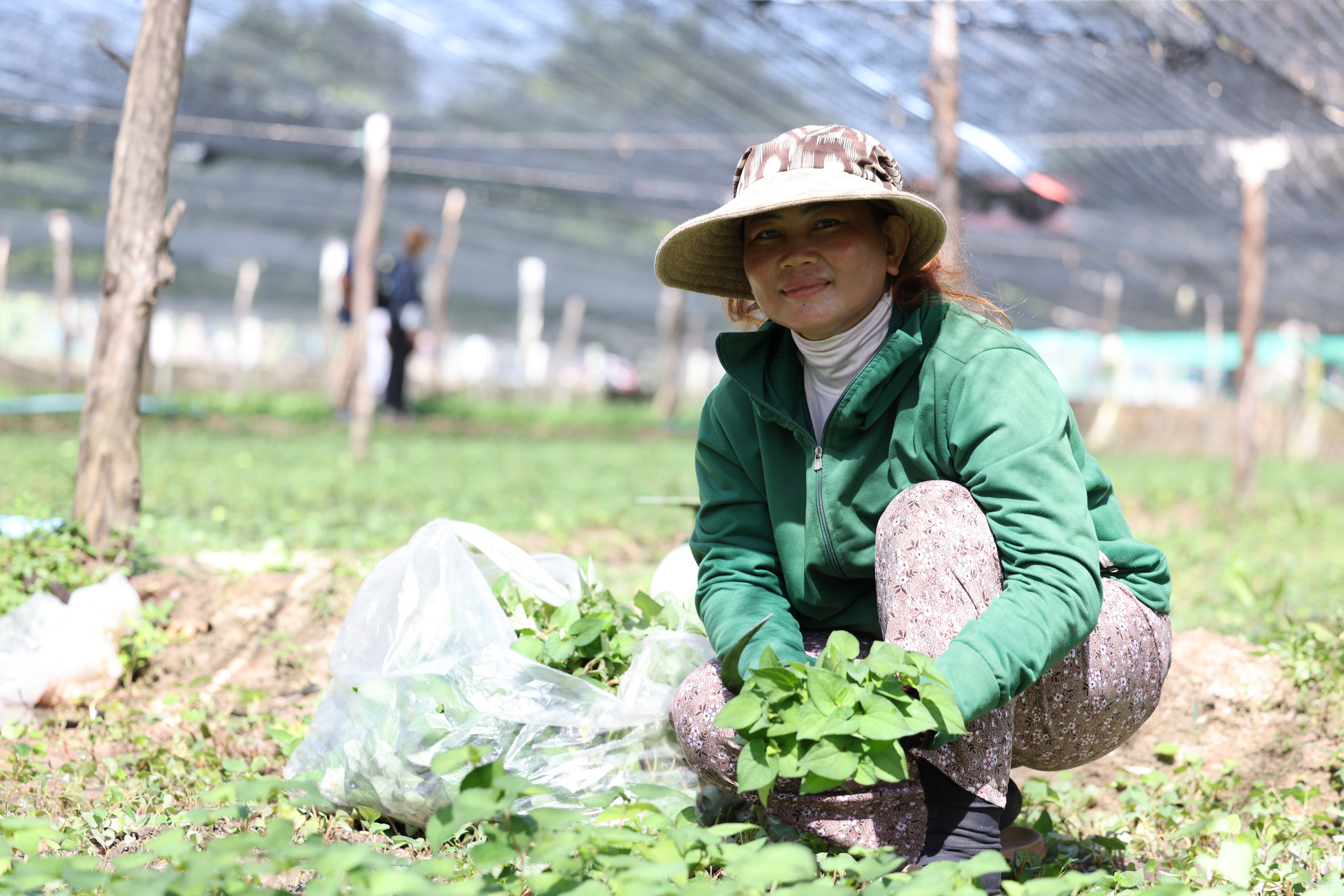
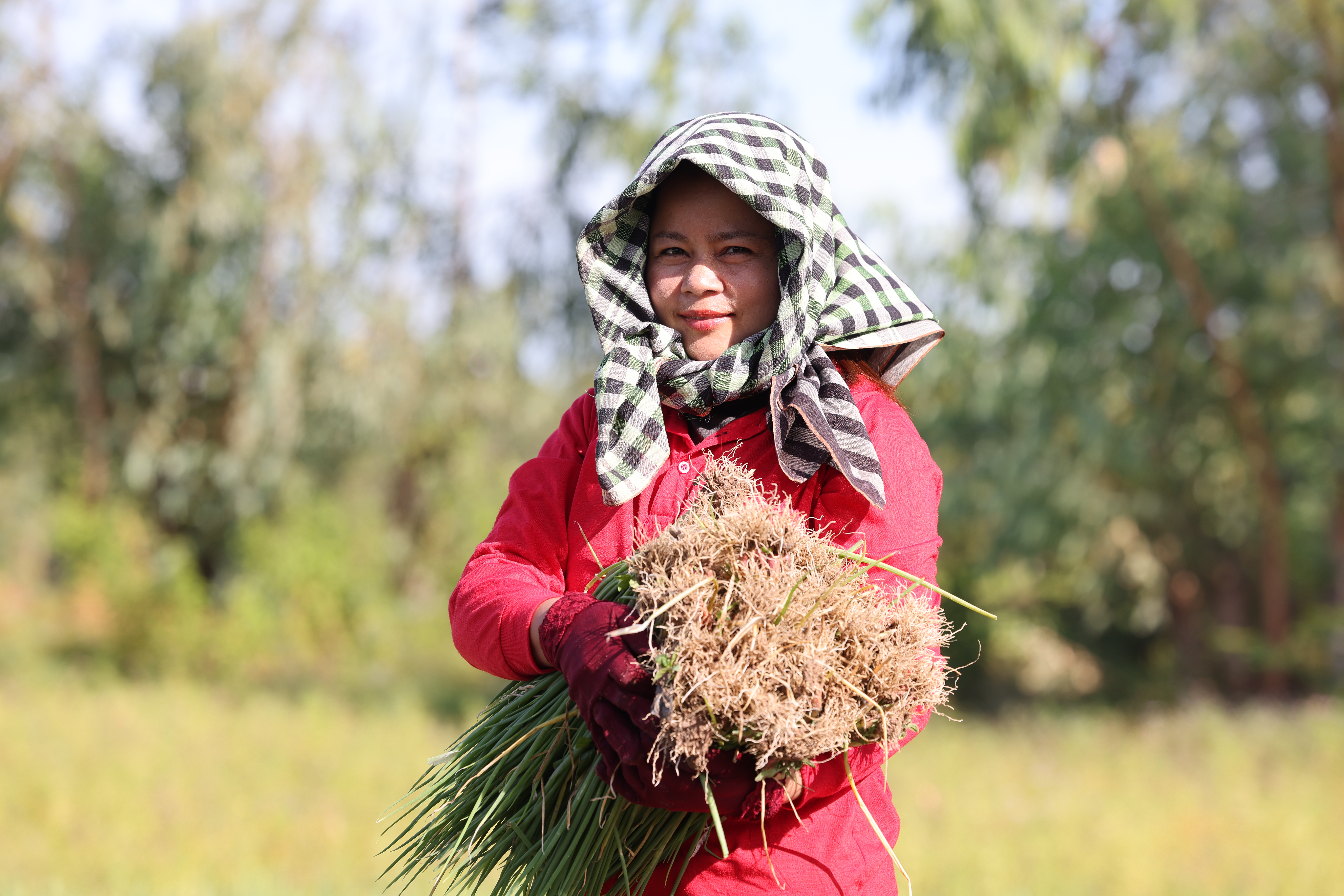
Under her leadership, and strengthened by IFAD’s long-term partnership with the Royal Government of Cambodia, the cooperative began to grow not only in size but in spirit. Women who had never before spoken in meetings started to raise their hands. Young people from farming families found new opportunities to gain skills, earn small stipends and support their studies. The cooperative diversified its production, moving from rice alone to spring onions, garlic, kale and basil, with produce now sold in markets as far as Phnom Penh and Battambang.
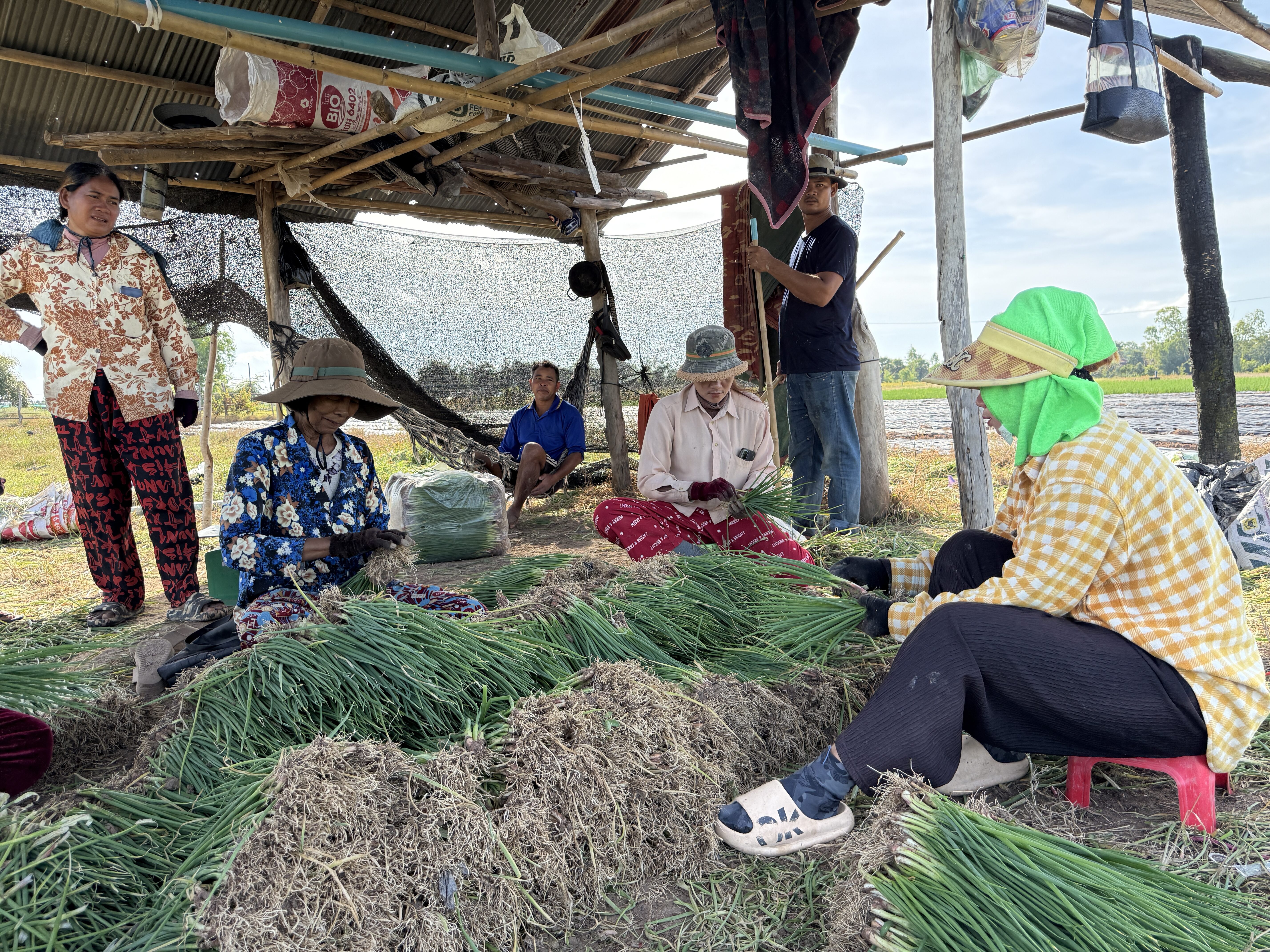
A Social Progress, Digital Literacy, and Climate-Smart Agriculture
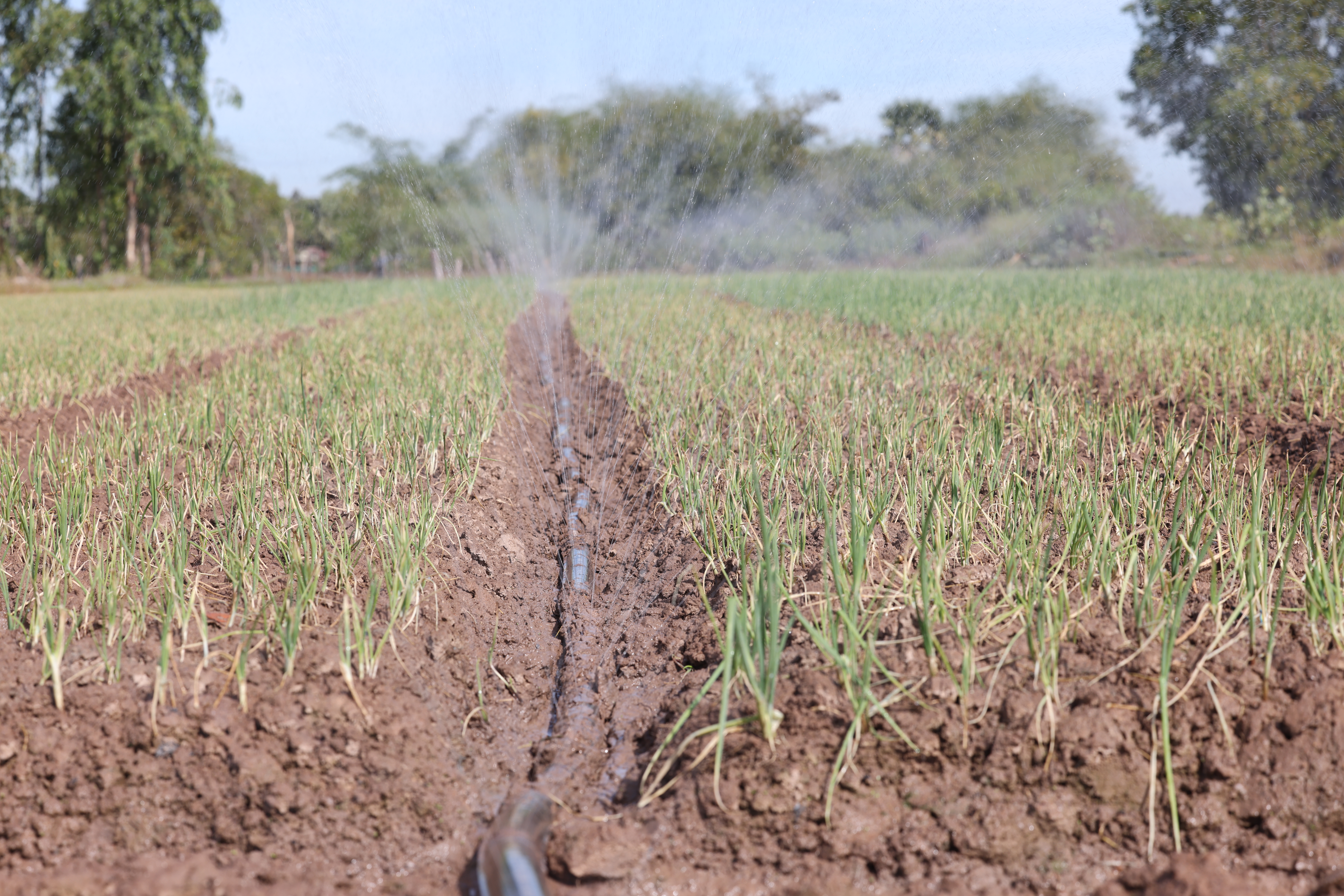
This transformation is social as well as economic. Chantha has championed women’s access to financial literacy, communication skills, digital tools and household budgeting support, helping the cooperative become a space where women can learn, participate and lead. She has also encouraged climate-smart practices such as composting, efficient water use and integrated pest management, helping members reduce costs while protecting their land and improving production.
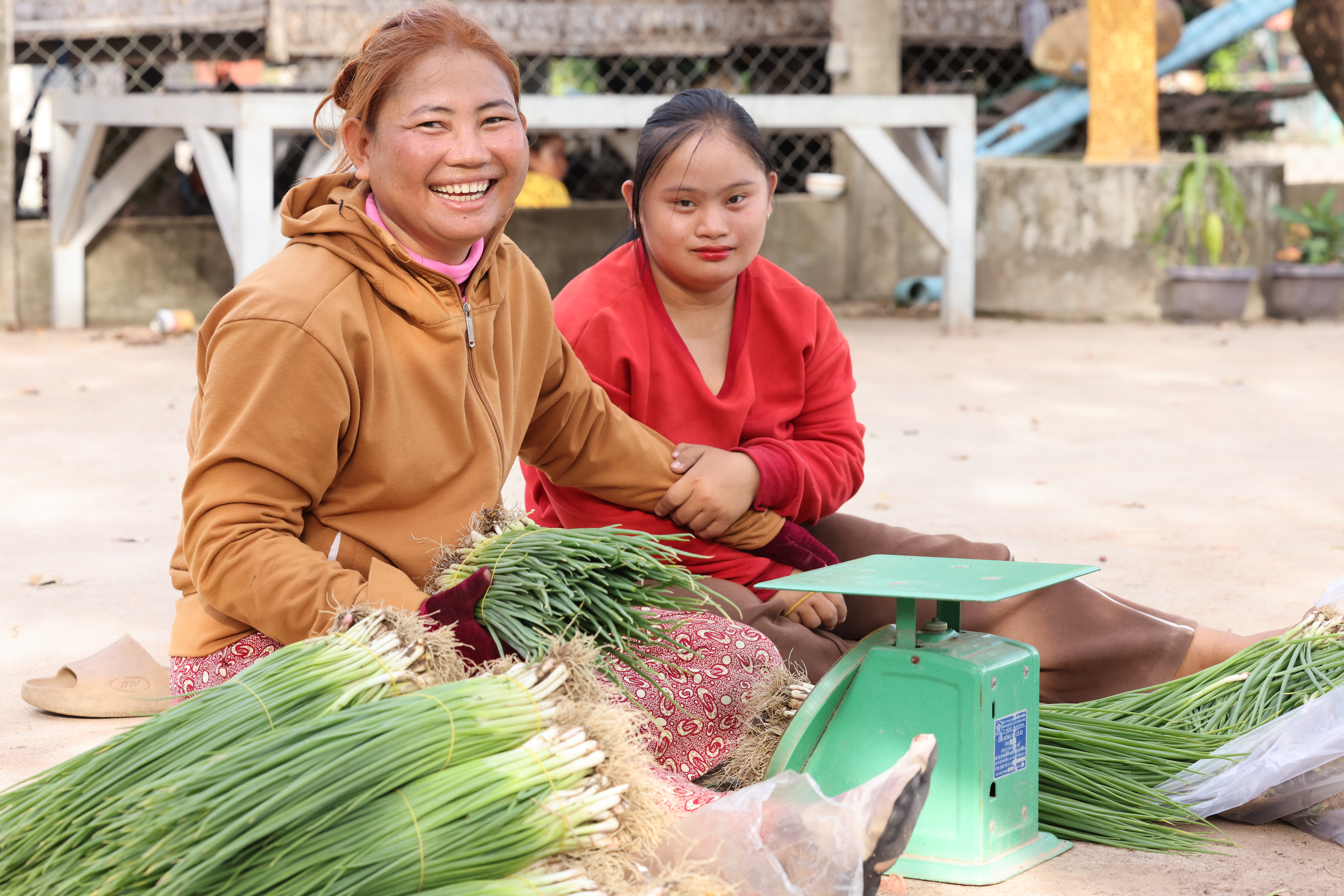
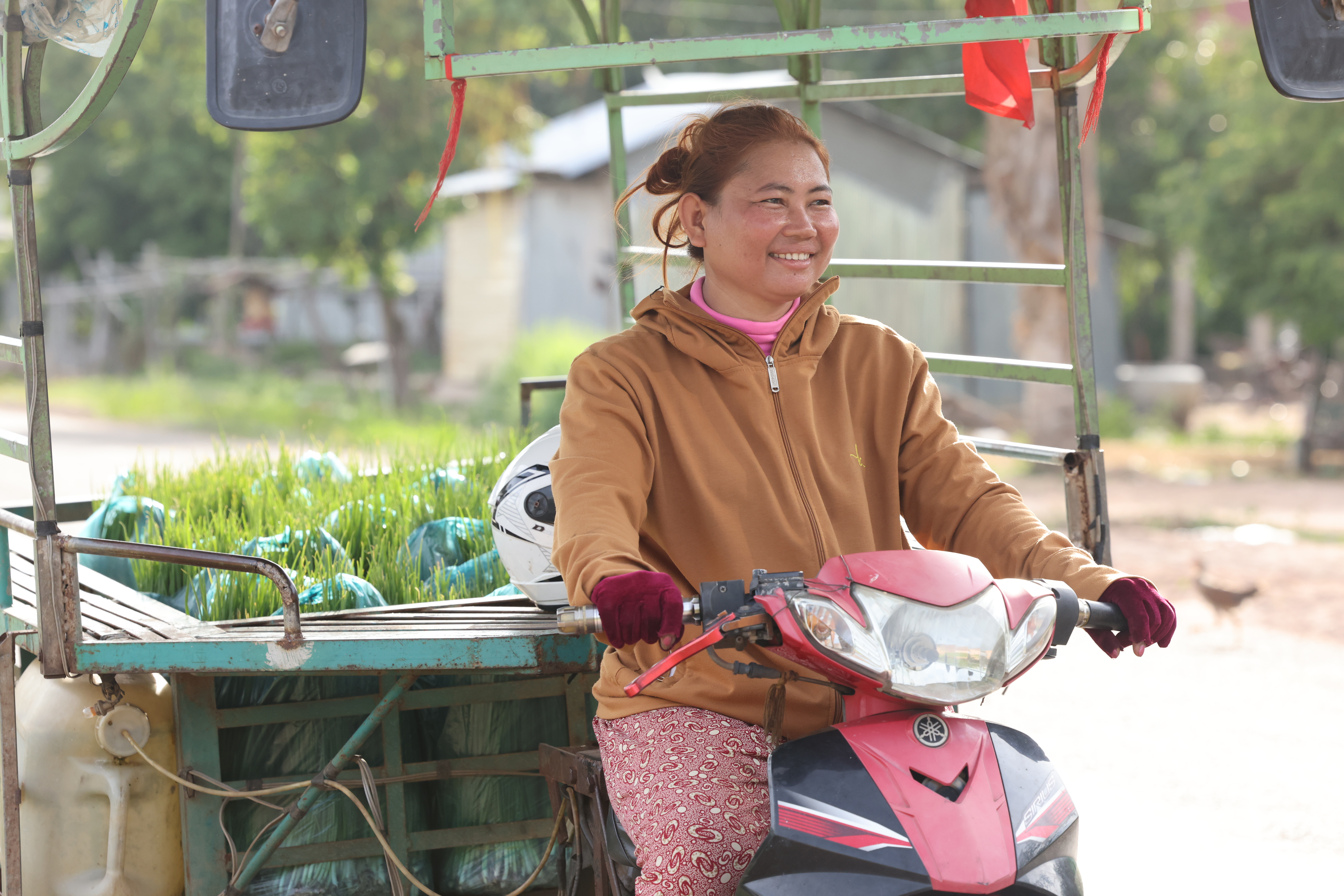
Behind these achievements lies a transformation that is both economic and social. IFAD’s gender-responsive approach, emphasised strongly in the ASPIRE-AT design and reaffirmed during the 2025 supervision mission, focuses on strengthening producer organisations so that women are not only members, but leaders influencing governance, business planning and market decisions. Chantha embraced these principles wholeheartedly. She encouraged transparency and collective decision-making. She championed training for women, ensuring they had access to financial literacy, communication skills, digital tools and household budgeting support. Gradually, the cooperative became a space where women felt safe to learn, safe to express themselves and safe to lead.
But her leadership extended beyond skills and governance. She cultivated a belief, shared now by many in her community, that women’s empowerment is essential for a resilient rural economy. She promoted climate-smart farming practices such as composting, efficient water use and integrated pest management, helping farmers reduce costs and protect their land. She supported youth through opportunities in the cooperative, enabling them to gain experience while pursuing their studies. And she embraced technology, encouraging members to use digital platforms for marketing and agricultural extension.
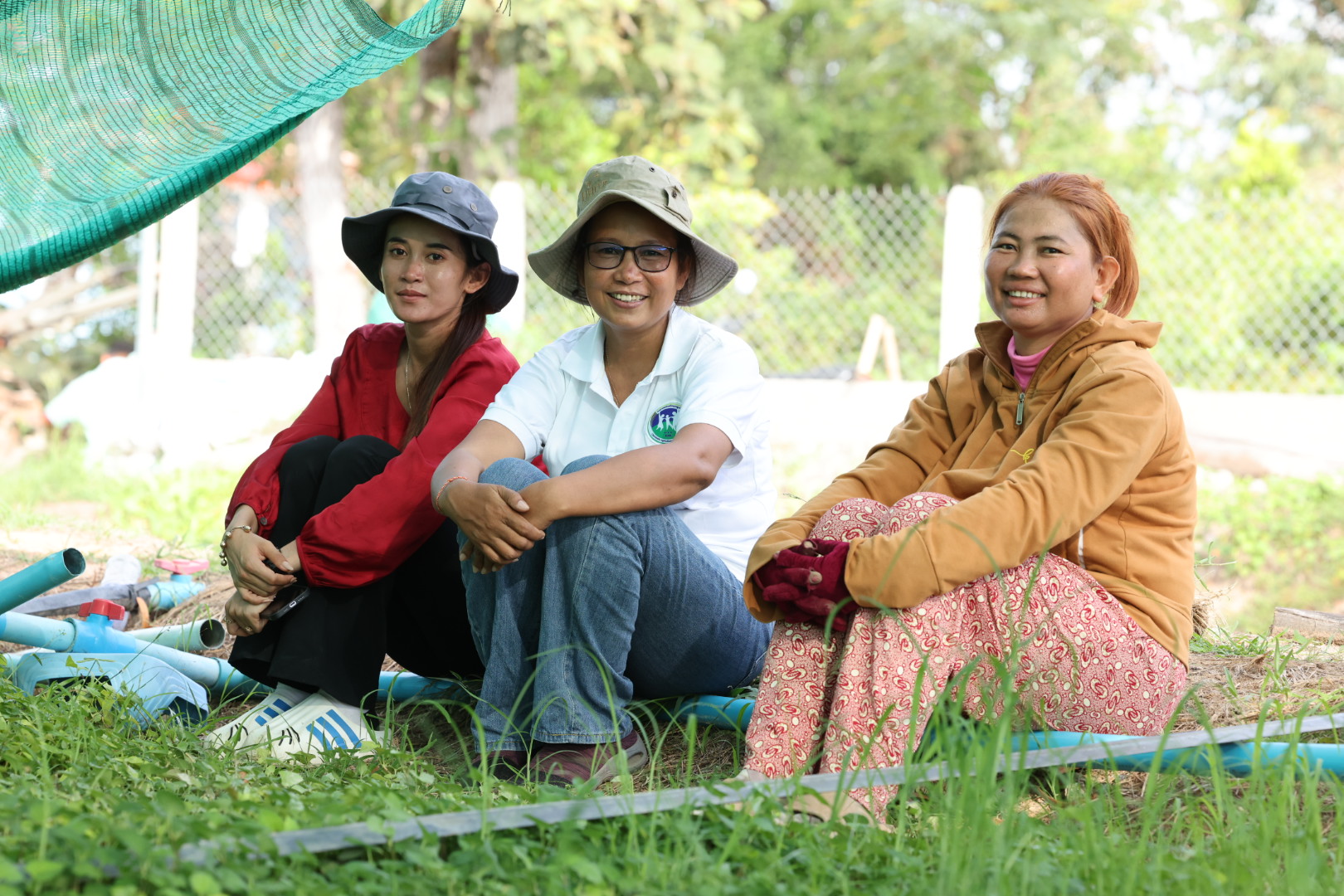
Her vision has grown bolder with time. With IFAD’s continued support through ASPIRE-AT, she hopes to expand the cooperative to 2,500 households by 2027, establish a rice mill, build 100 net houses, and create a training centre for women and youth. She dreams of building a small kindergarten, a place where the next generation can learn while their parents work towards better livelihoods.
Chantha’s journey mirrors the aspirations of ASPIRE-AT: to strengthen producer organisations so they graduate from “support-ready” to “market-ready” and
“investment-ready”, ultimately becoming professionally
independent agricultural cooperatives. Her cooperative now demonstrates the very qualities the programme seeks to scale, strong governance, active participation of women, clear market plans, and readiness for value-chain investment opportunities.
Her story is not only a personal triumph but a testament to the impact of IFAD’s gender equality and women’s empowerment agenda. It shows how long-term investment, patient capacity-building and dedicated support to women’s leadership can reshape communities from within. It shows how rural women, when given the opportunity, can influence markets, manage growing enterprises, and guide their families towards more secure futures.
As the sun sets over the vegetable fields of Kampong Chhnang, Chantha is often found walking through the cooperative’s plots, stopping to speak with members, listening to their concerns, and encouraging them to take on bigger roles. She believes strongly in the power of collective strength. “Behind every successful woman is a community that believes in her,” she says. “And when women rise, the whole community rises with them.”
In the story of rural transformation in Cambodia, Chantha’s leadership represents more than a chapter, it represents a turning point. Through IFAD’s support and her unwavering resolve, a new generation of women is stepping forward, reshaping the future of agriculture and proving that progress, true, inclusive progress, begins when women lead.
Please download the story: Leading with Strength: How IFAD and ASPIRE-AT are Helping Women Transform Rural Communities in Cambodia