by ASPIRE-AT Programme
From Shell to Shelf: Local Processing, Stronger Value Chains
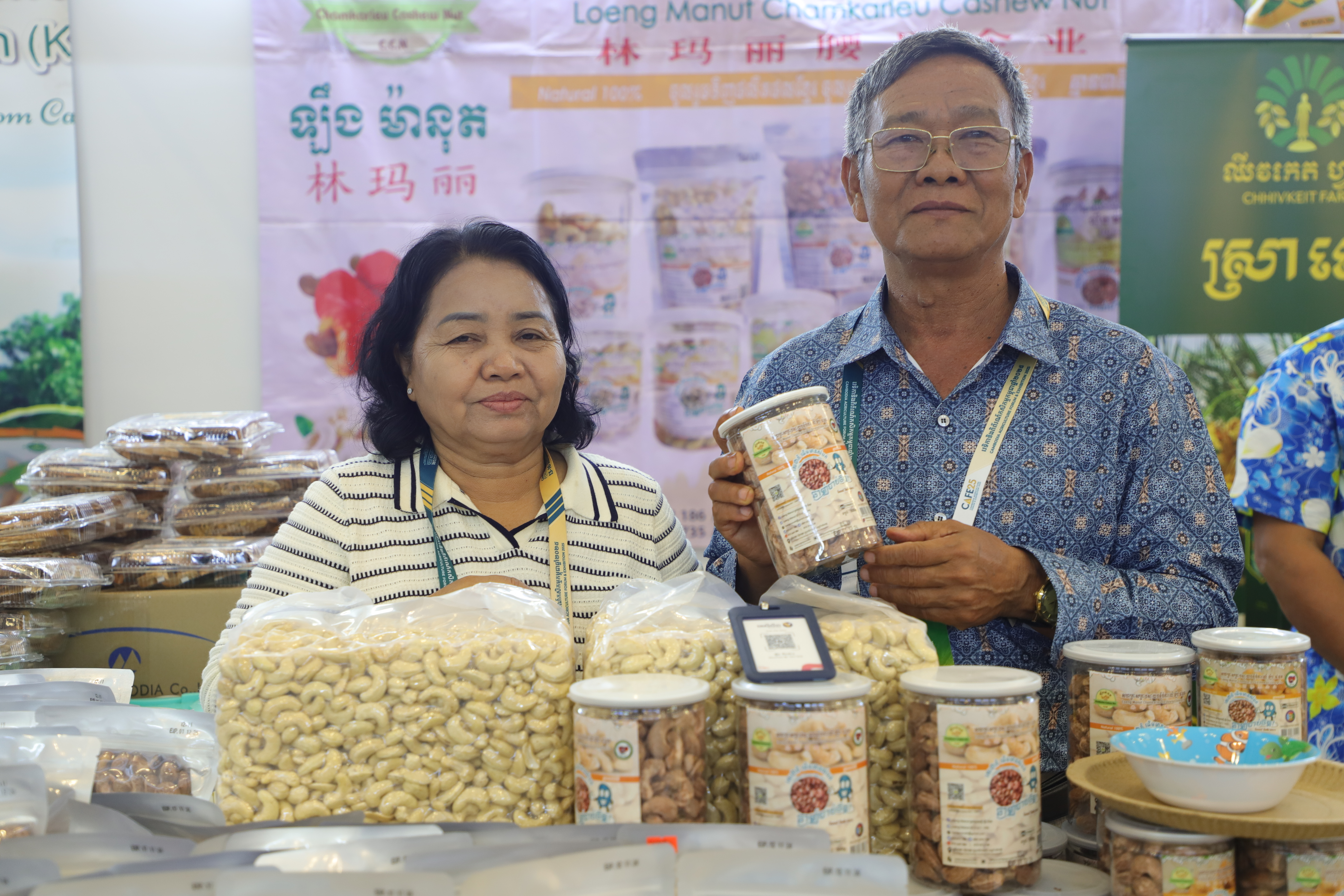
In Kampong Cham Province, Loeung Manut Handicraft shows why Cambodia’s rural transformation depends not only on what farmers grow, but also on how agricultural products are processed, packaged, branded, and carried into higher-value markets.
That growth matters for rural smallholders. Stronger local processors can create more reliable demand for raw produce, help retain value within Cambodia’s rural economy and strengthen the link between farmers and consumers. At a time when fuel, transport, logistics and input costs are placing pressure on rural businesses and farming households, local agro-processing is becoming an increasingly important part of resilience.
Processing as a Bridge Between Farmers and Markets
Loeung Manut was established with a clear purpose: to help farmers generate more stable incomes and improve their living standards. Its mission combines agricultural experience with technological modernisation, aiming to improve quality and productivity while maintaining safer and more environmentally responsible practices.
This is the strategic role that rural SMEs can play in inclusive development. They sit between rural smallholders and markets. When they become more efficient, better managed and more responsive to consumer demand, they help transform raw agricultural production into higher-value products that can reach supermarkets, modern retail stores, marts and petrol stations.
Through the Agriculture Services Programme for an Inclusive Rural Economy and Agricultural Trade (ASPIRE-AT), implemented by the Ministry of Agriculture, Forestry and Fisheries and co-financed by the International Fund for Agricultural Development (IFAD), the European Union, the European Investment Bank, the Royal Government of Cambodia, partner financial institutions, participating SMEs and farmers, and a South-South and Triangular Cooperation grant, enterprises such as Loeung Manut are being connected to practical learning, advisory support and market-oriented capacity building.
Learning Beyond Borders
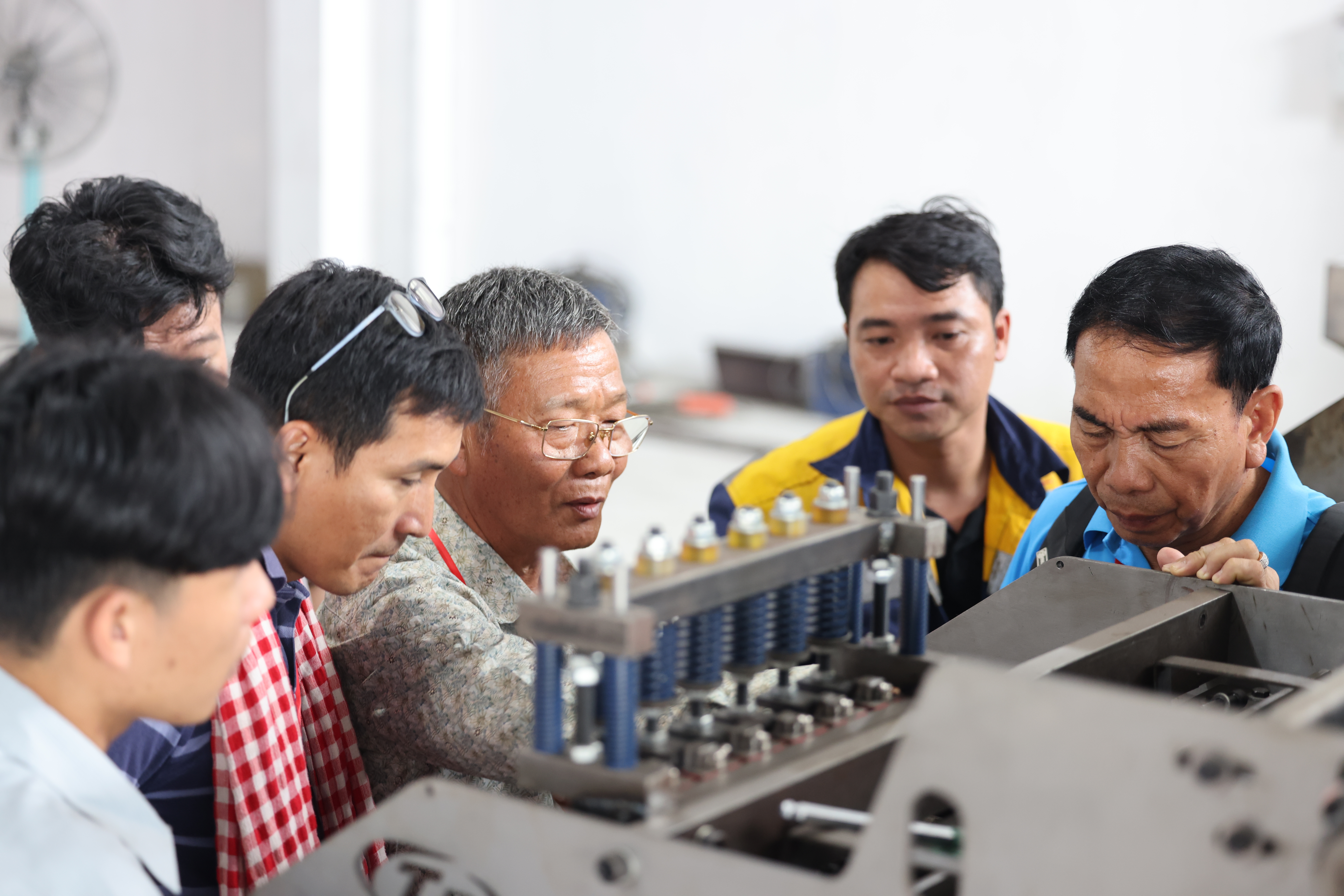
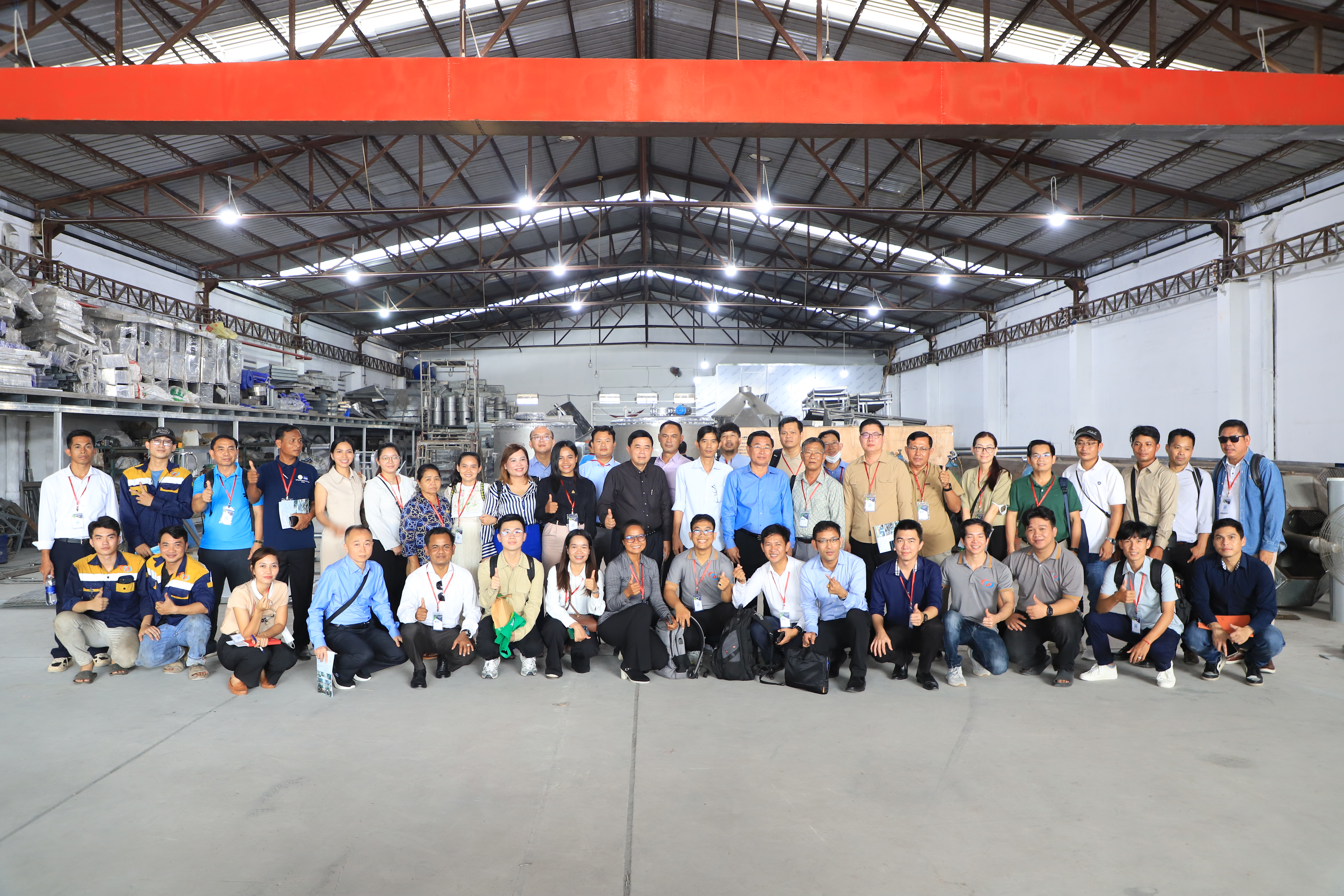
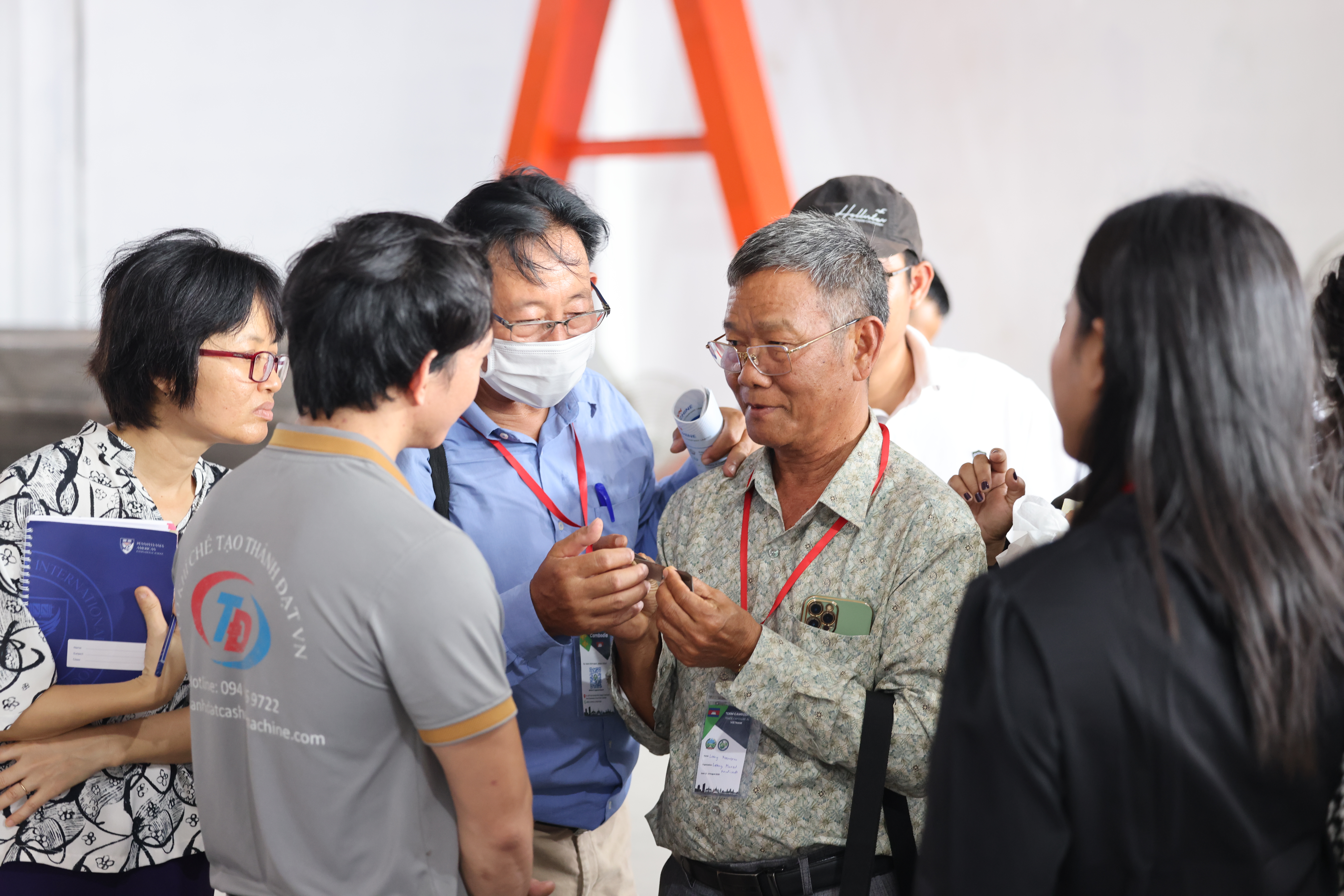
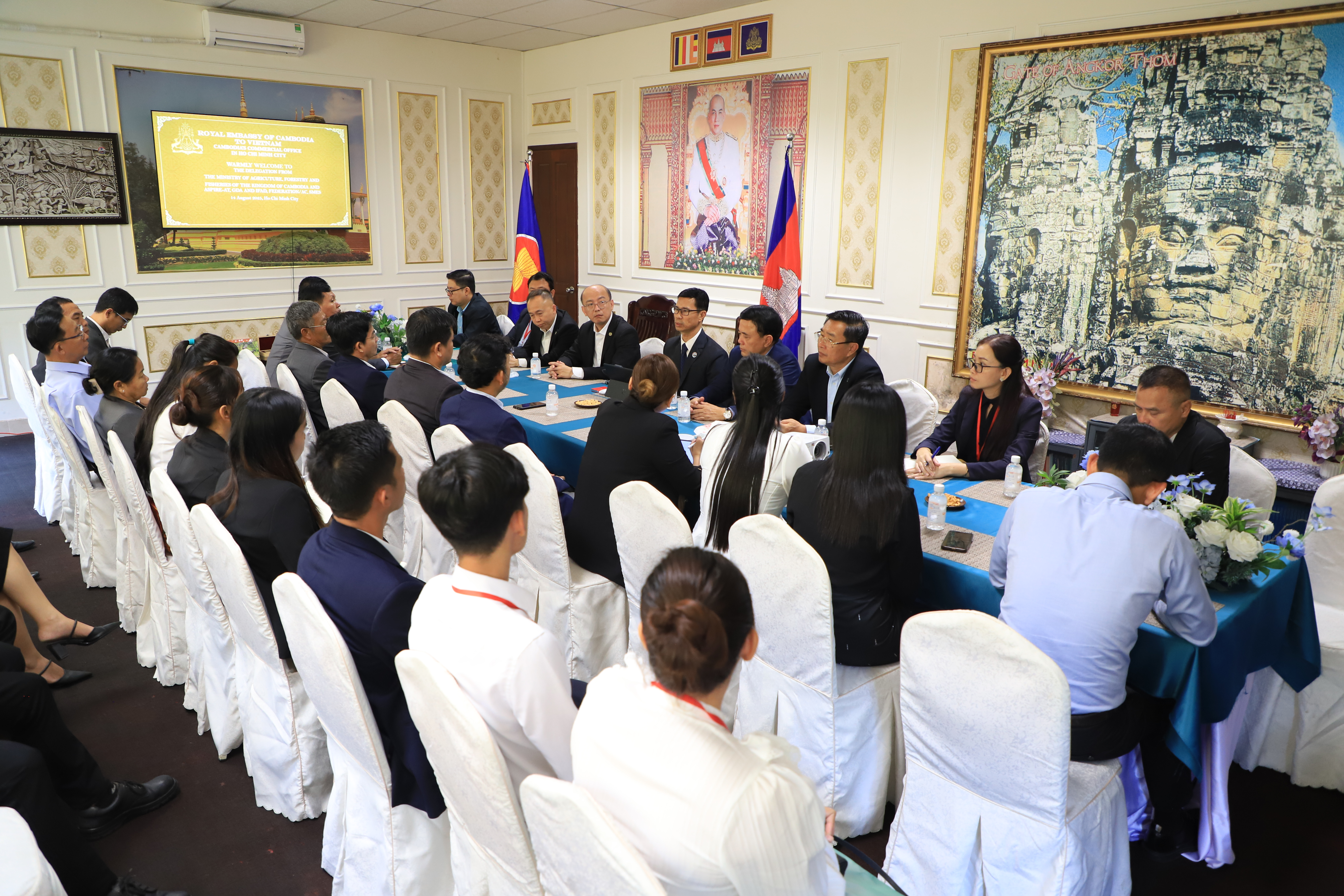
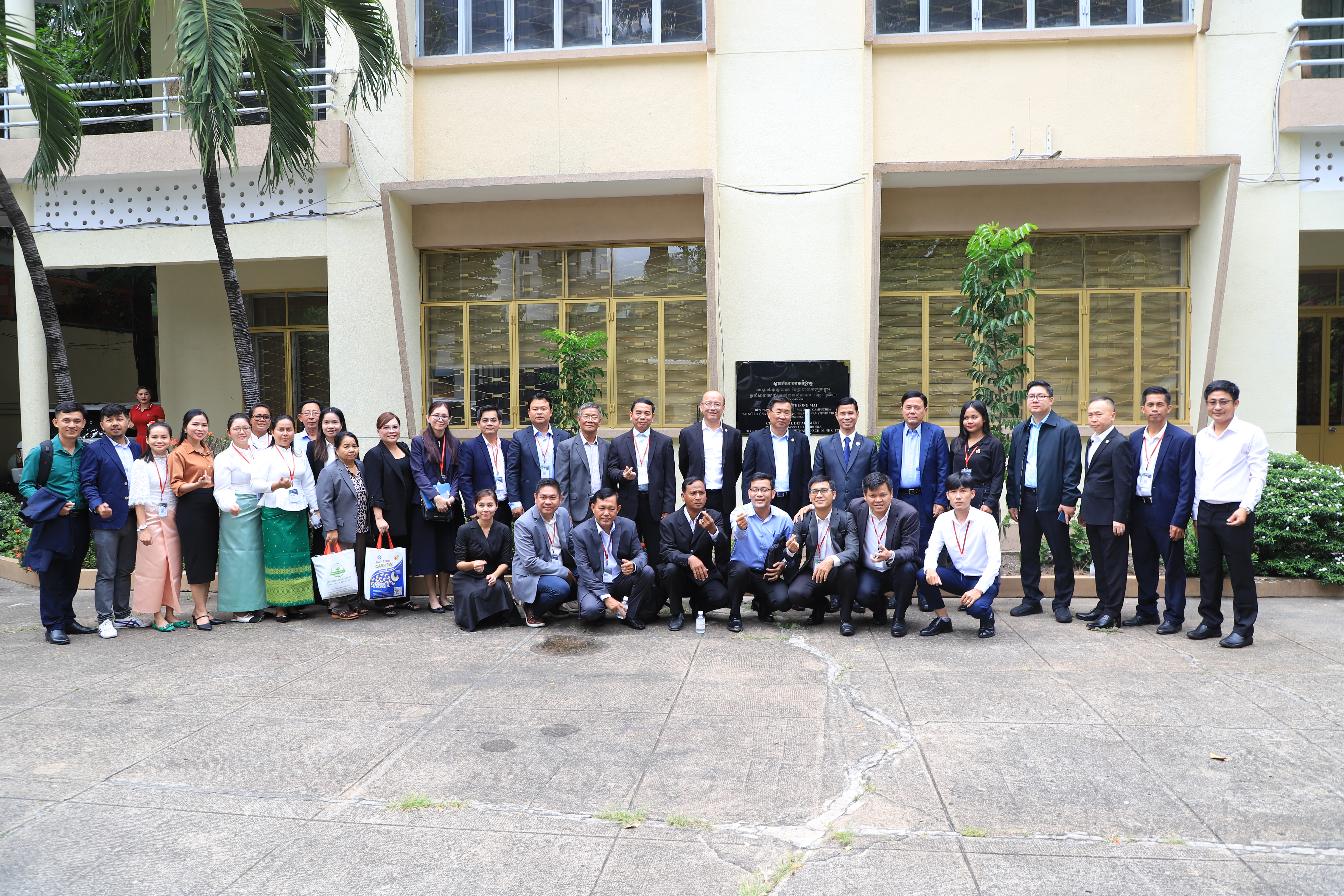
A turning point came through ASPIRE-AT’s support for links with international centres of expertise. From 11 to 15 August 2025, Loeung Manut joined a study visit to Viet Nam, designed to expose selected agro-processing SMEs to modern manufacturing plants, processing equipment suppliers, technical experts, associations and manufacturers.
The visit gave the enterprise practical exposure to improved cashew supply-chain management, modern machine processing, quality control and hygiene standards. Following the study tour, Loeung Manut purchased cashew cutting equipment from a Vietnamese supplier and began applying new techniques to strengthen its processing operations.
This shows how knowledge exchange can become productive investment. The project input was not only an exposure visit. It opened access to technical knowledge, supplier networks and practical demonstrations. The result was a business decision to invest in equipment and improve processing capacity, with the potential to strengthen product quality and value addition.
Modernising the Business, Not Only the Factory
For an agro-processor, modernisation is not only about machinery. It also requires better systems for planning, costing, pricing, branding, financial management, food safety and market development.
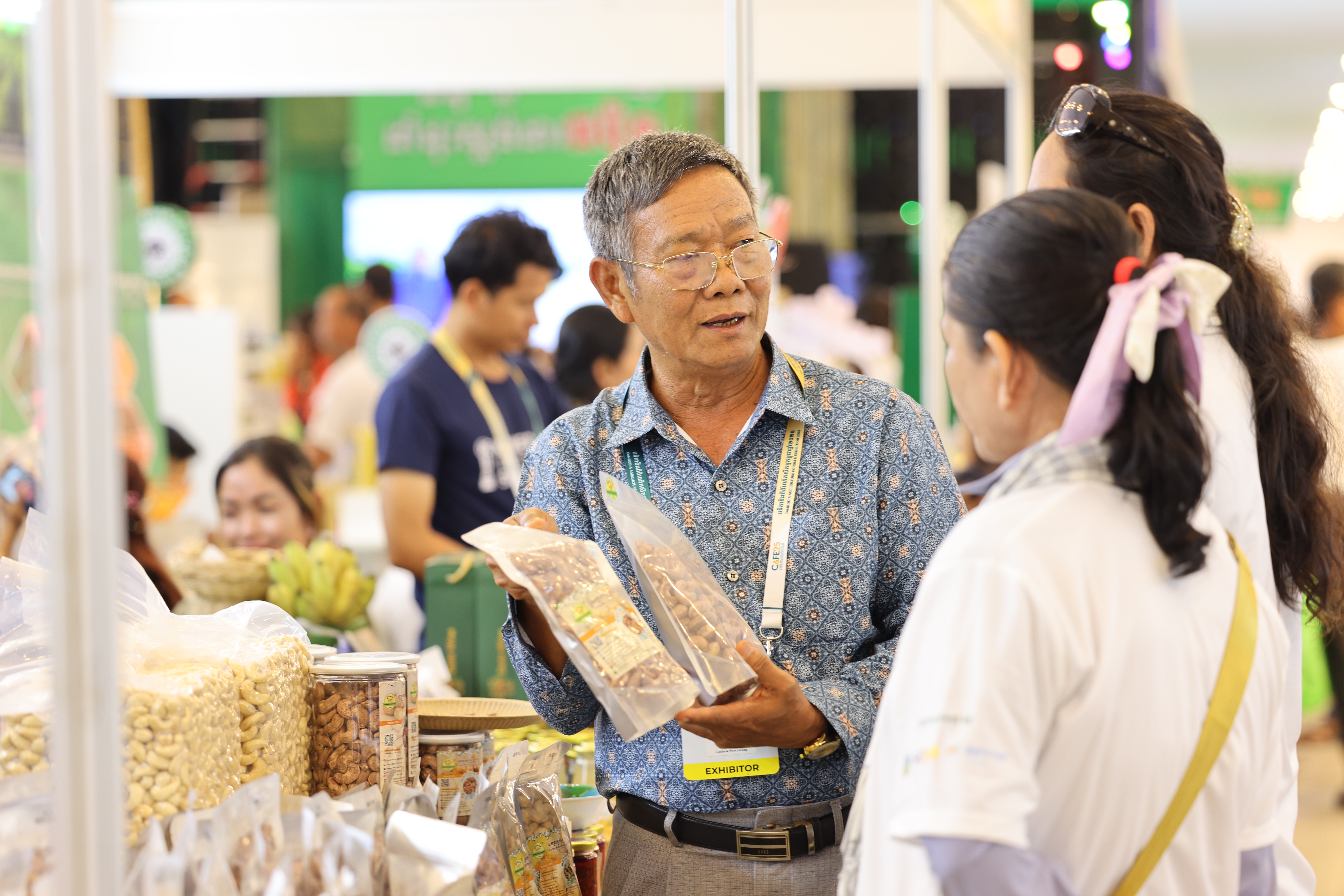
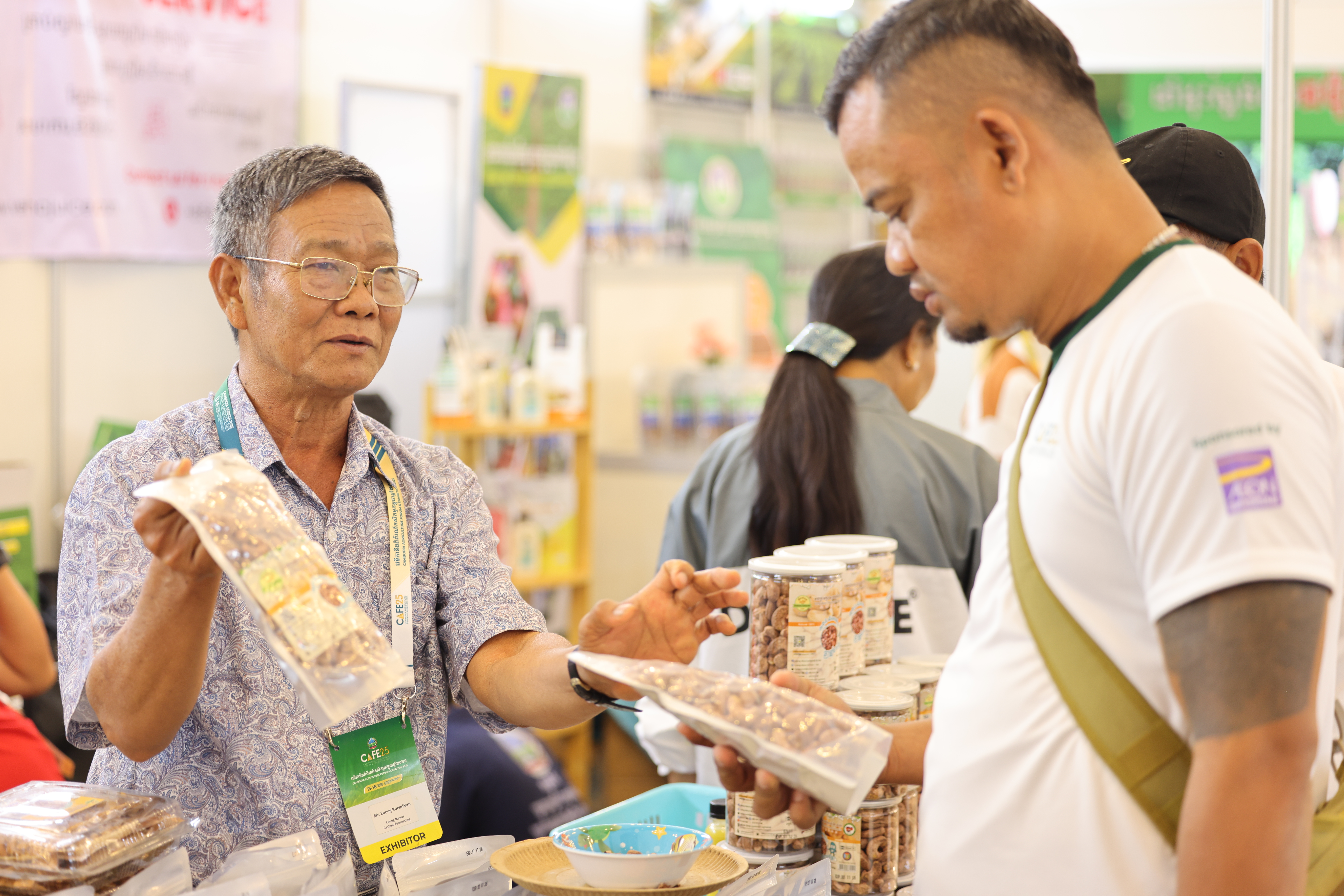
Through learning events designed under ASPIRE-AT and delivered by the Cambodia Chamber of Commerce, Loeung Manut participated in practical modules covering business planning, financial management, costing and pricing, branding and communications, food quality and safety, and export market development. These sessions helped translate business concepts into practical operational decisions.
The enterprise is now exploring new market opportunities, looking to expand into untapped provinces, aiming to increase sales and profits, and moving towards a basic accounting system to manage financial transactions more effectively. This shift away from manual processes is important for business discipline, transparency and future investment readiness.
Local Value Addition in a Time of Rising Costs
Cambodia’s rural economy is facing heightened pressure from higher transport, energy and input costs. For agro-processors, these pressures can squeeze margins and make efficiency more important. For farmers, they can reduce the space to invest in production and increase vulnerability to market shocks.
In this context, support to enterprises such as Loeung Manut has wider development value. Better machinery can improve processing efficiency. Stronger costing and pricing can help businesses protect margins. Food safety and hygiene practices can build consumer confidence. Branding and packaging can improve market visibility. Better accounting can help SMEs prepare for finance, growth and future partnerships.
Together, these improvements help build a stronger value chain, where farmers, processors and buyers are more closely connected and better able to manage shocks.
From Rural Enterprise to Shared Growth
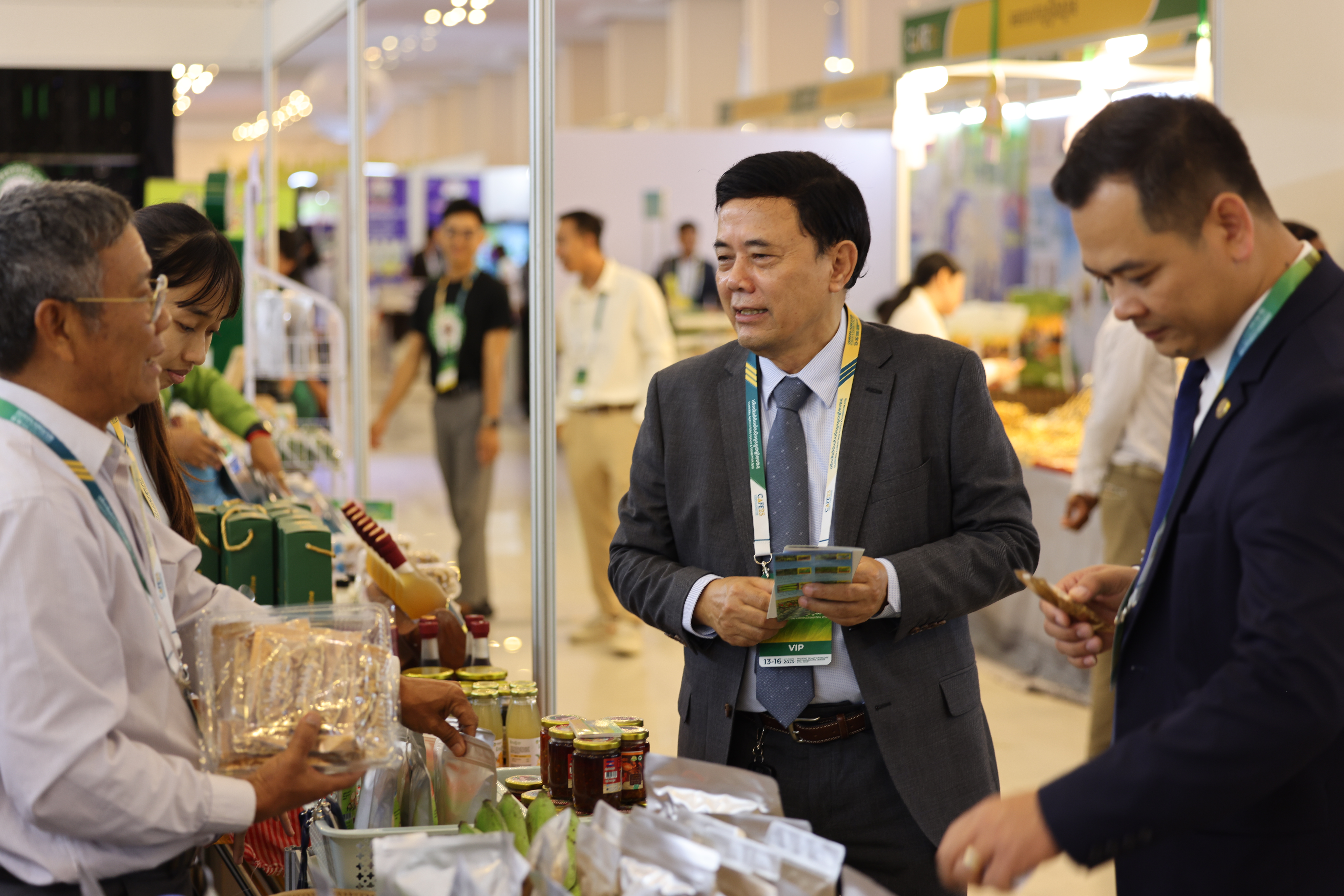
Loeung Manut’s journey from modest processing volumes to more than 500 tons of annual capacity shows what can happen when local entrepreneurship is combined with targeted technical exposure and practical business support.
The enterprise still has areas to strengthen, including deeper financial systems, continued market expansion and further quality upgrading. But its direction is clear. It is moving from manual systems toward stronger management, from basic processing toward higher-value packaged products, and from local operations toward wider market reach.
For donors and development partners, the lesson is straightforward: rural development is strongest when support to rural smallholders is linked to enterprise development. Farmers need markets, but markets also need capable local businesses that can process, package and distribute products at the quality and consistency buyers require.
In Kampong Cham, resilience is being built not only in the field, but also on the factory floor. Through stronger processing, better business systems and closer links between farmers and markets, enterprises such as Loeung Manut are helping Cambodia’s agricultural value chains move from raw potential to shared rural growth.