
 by ASPIRE-AT Programme
When Women Lead, Communities Thrive: Rith Chantha’s Story of Change in Cambodia
Feature Story:
When Women Lead, Communities Thrive
When Chantha first stepped into community leadership, many people doubted whether a woman should negotiate with traders, manage finances or help make decisions for hundreds of households. Even some women questioned whether leadership was a place for them. The pressure was intense. “There were moments when I wanted to give up,” she recalls. “But I realised that if I stopped, it would send a message to every girl and every woman that leadership is not for us.”
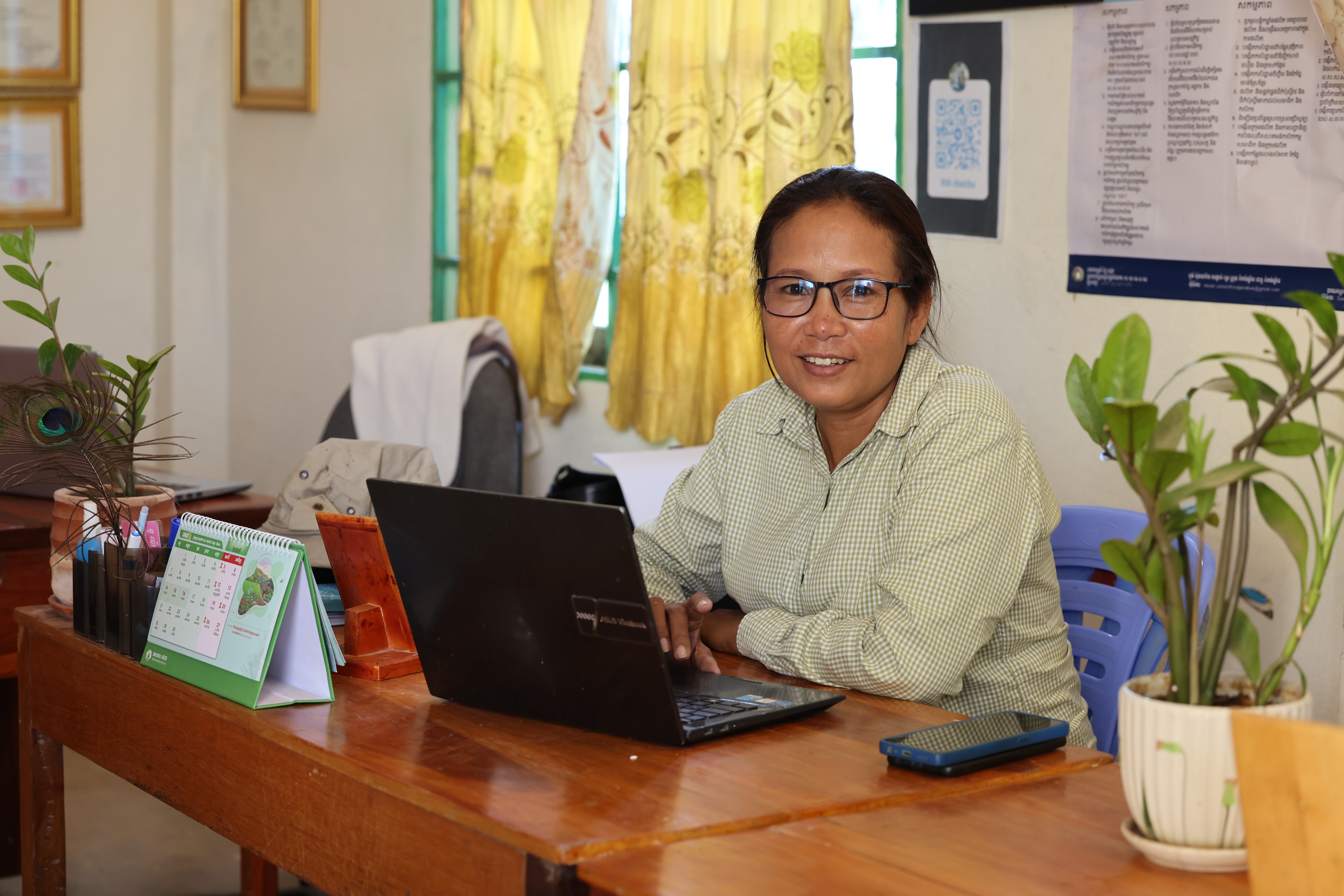
Support from IFAD-backed ASPIRE, and later ASPIRE-AT, helped change that trajectory. Through training, mentoring, field-based advisory support and market-oriented cooperative strengthening delivered through the Provincial Department of Agriculture and service providers, Chantha gained the confidence, skills and practical tools to lead more effectively. Over time, she became not only a stronger chairwoman, but also a symbol of what can happen when rural women are supported to take their place in decision-making.
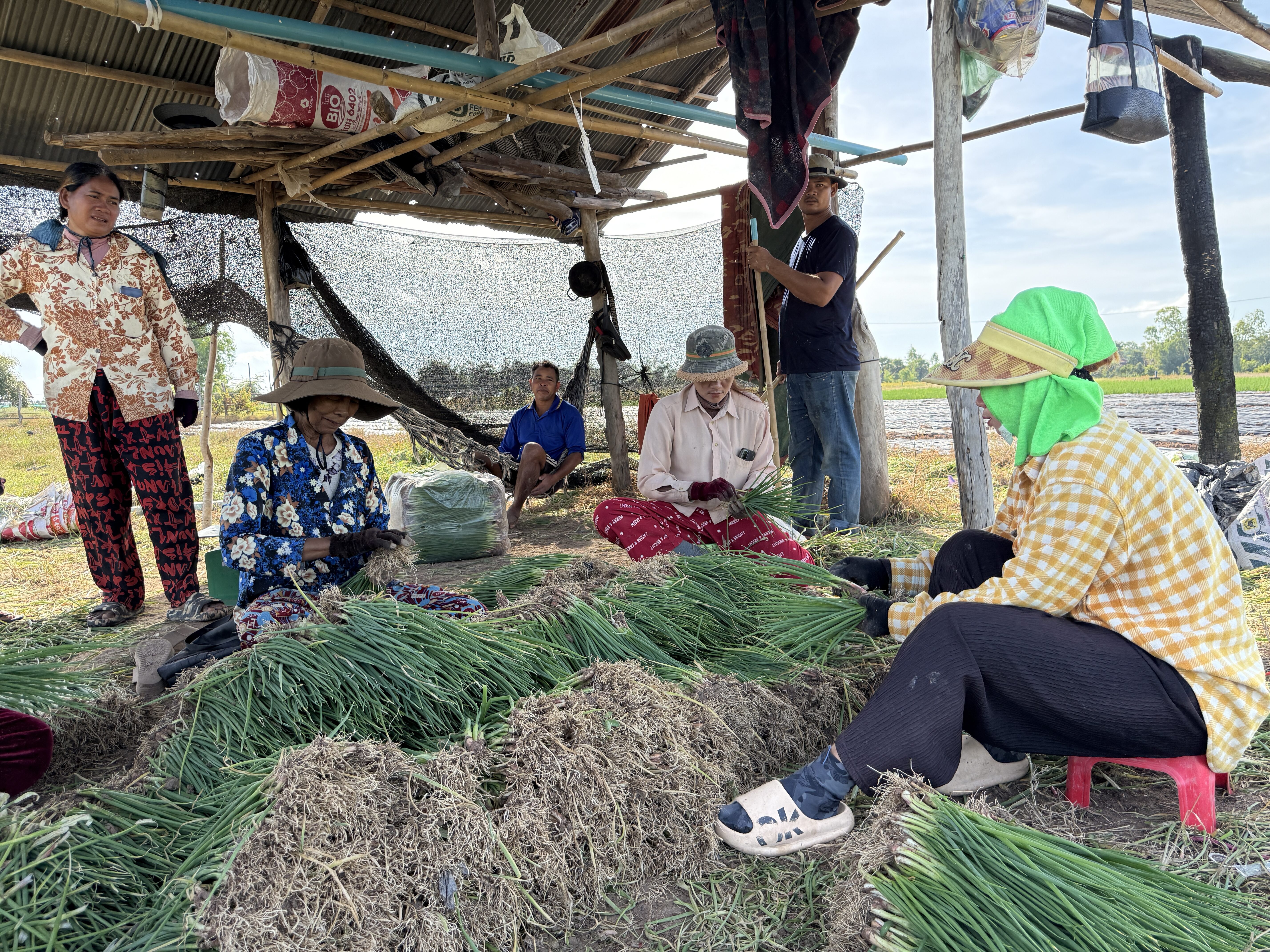
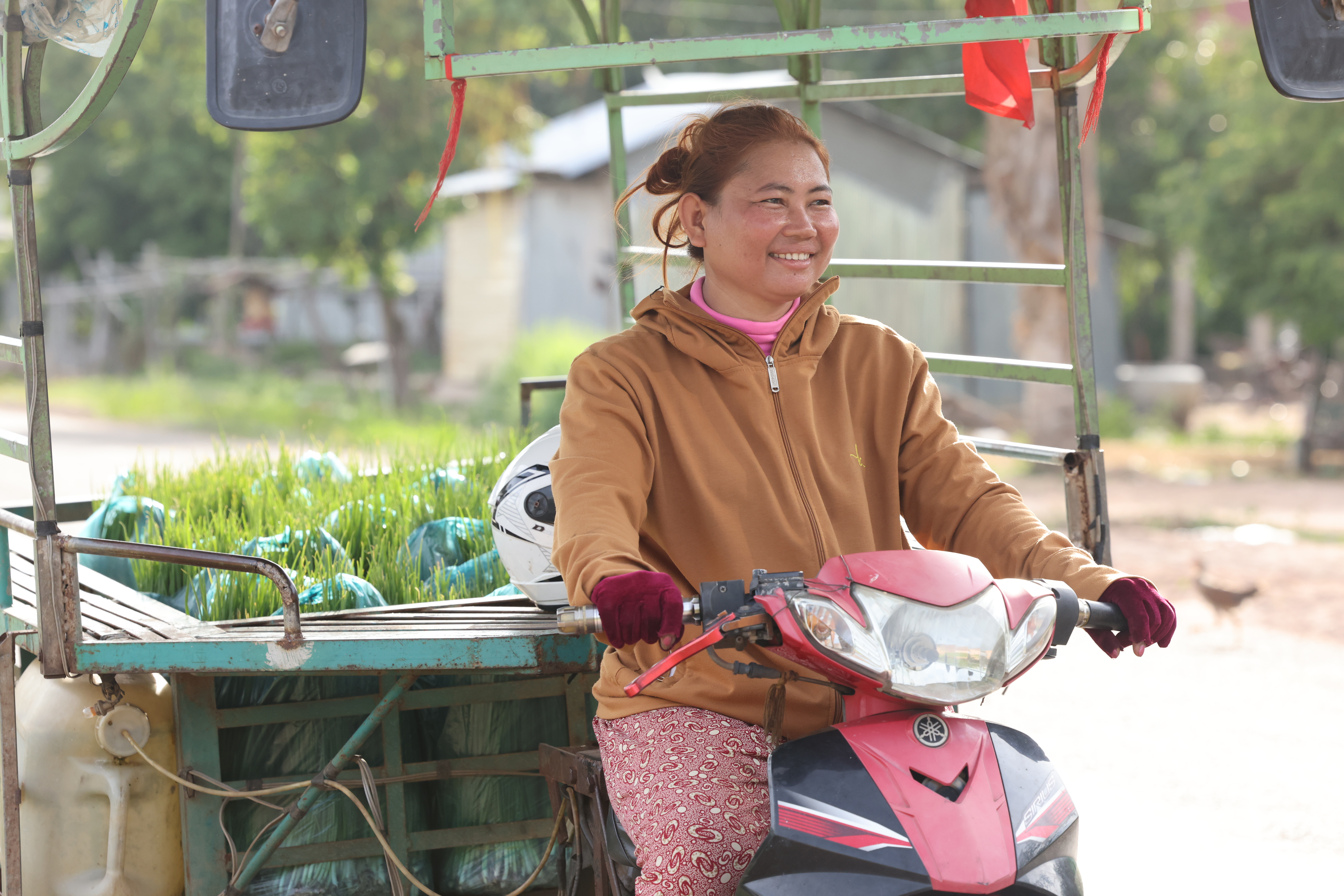
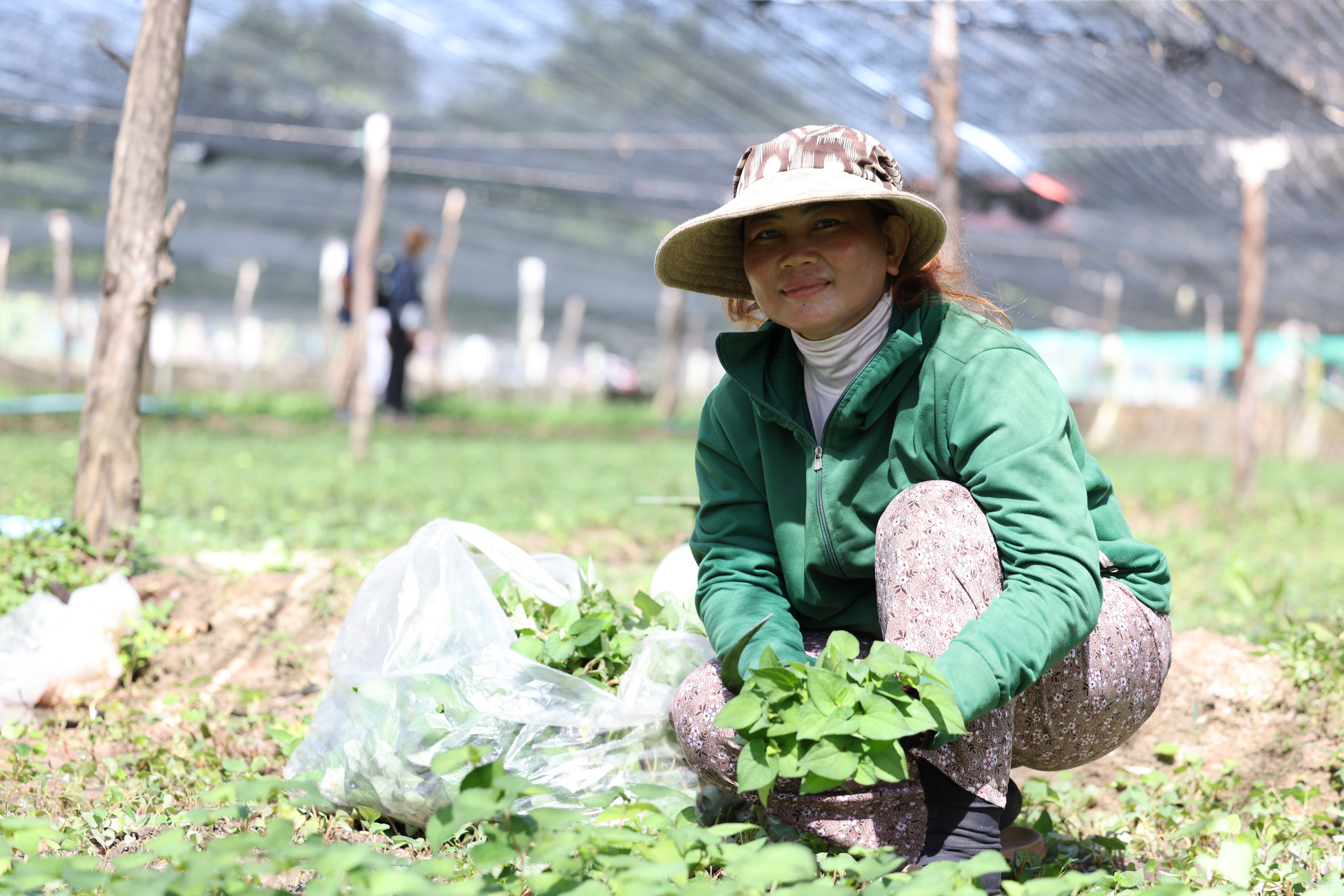
Under her leadership, the cooperative has grown in both scale and ambition. Members diversified production from rice into spring onions, garlic, kale and basil, and the cooperative now connects produce to markets in Phnom Penh and Battambang. Women who once stayed silent in meetings are now more confident in speaking up, asking questions and taking part in decisions. Young people from farming families have also found opportunities to gain skills, earn small stipends and support cooperative activities while continuing their studies.
A Social Progress, Digital Literacy, and Climate-Smart Agriculture
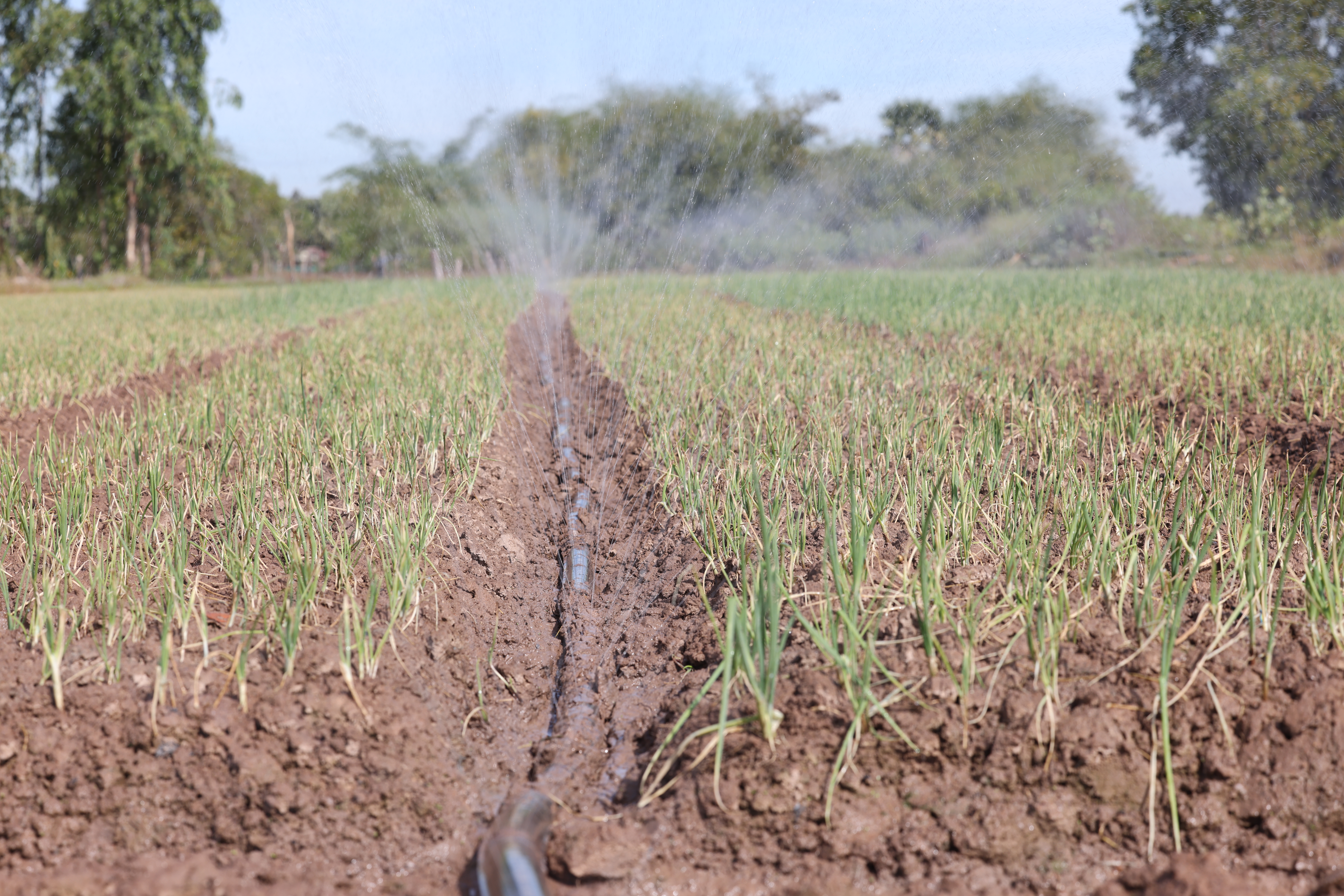
This transformation is social as well as economic. Chantha has championed women’s access to financial literacy, communication skills, digital tools and household budgeting support, helping the cooperative become a space where women can learn, participate and lead. She has also encouraged climate-smart practices such as composting, efficient water use and integrated pest management, helping members reduce costs while protecting their land and improving production.
Global Recognition and Empowering the Whole Value Chain
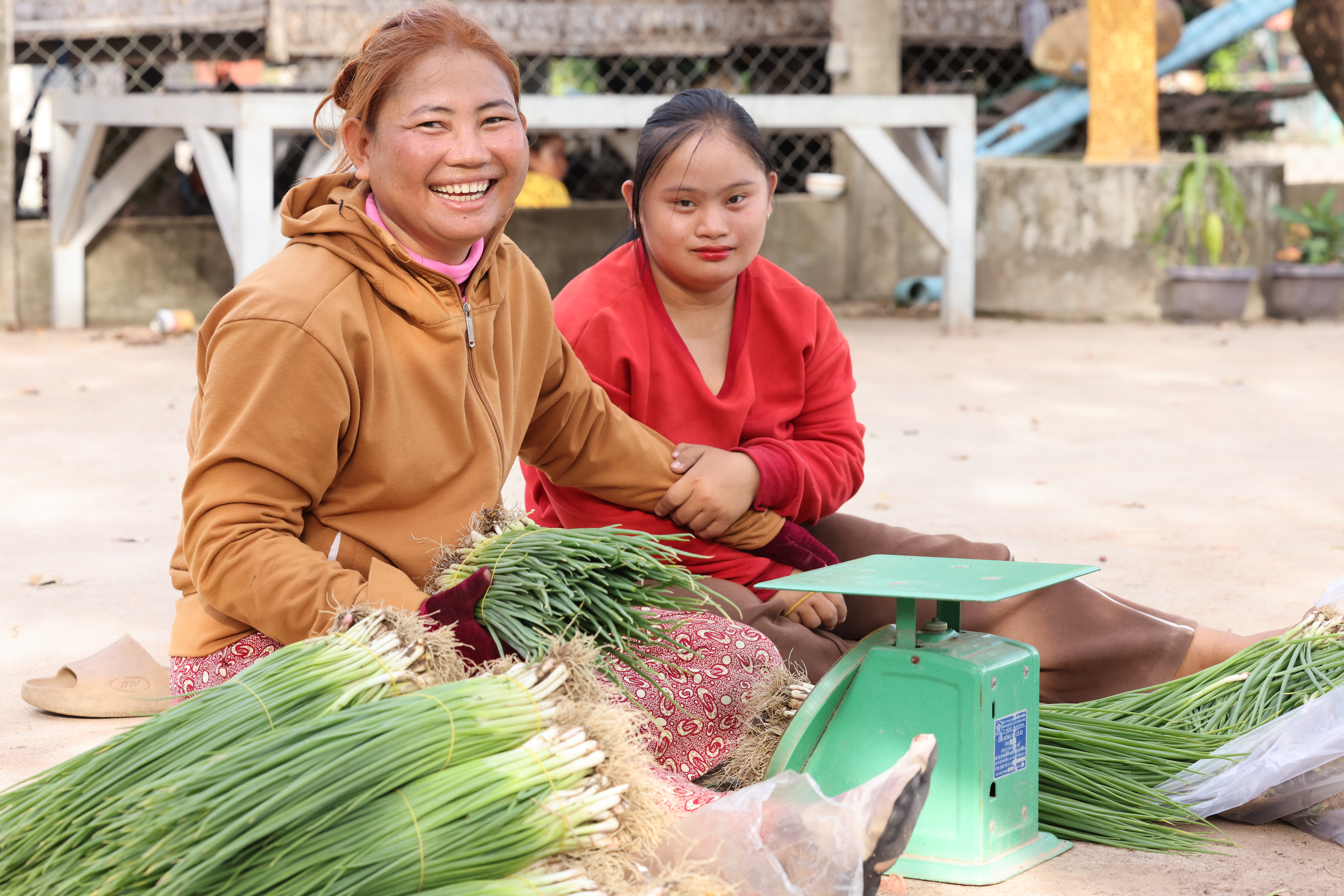
Her story carries special meaning because 2026 marks the International Year of the Woman Farmer. In its Rural Voices feature on women and resilient rural economies, IFAD says it will “further scale up efforts to strengthen women’s roles across the entire value chain, from production and processing to markets and retail.” IFAD also notes that women represent more than half of IFAD project participants. Chantha’s leadership brings that commitment to life at community level, showing what it means when women are not only included, but trusted to lead institutions, shape market decisions and strengthen rural economies. (ifad.org)
Looking ahead, Chantha’s vision is bold. She hopes to expand the cooperative to 2,500 households by 2027, establish a rice mill, build 100 net houses, and create a training centre for women and youth. She also dreams of setting up a small kindergarten so that farming families can better balance childcare and livelihoods.
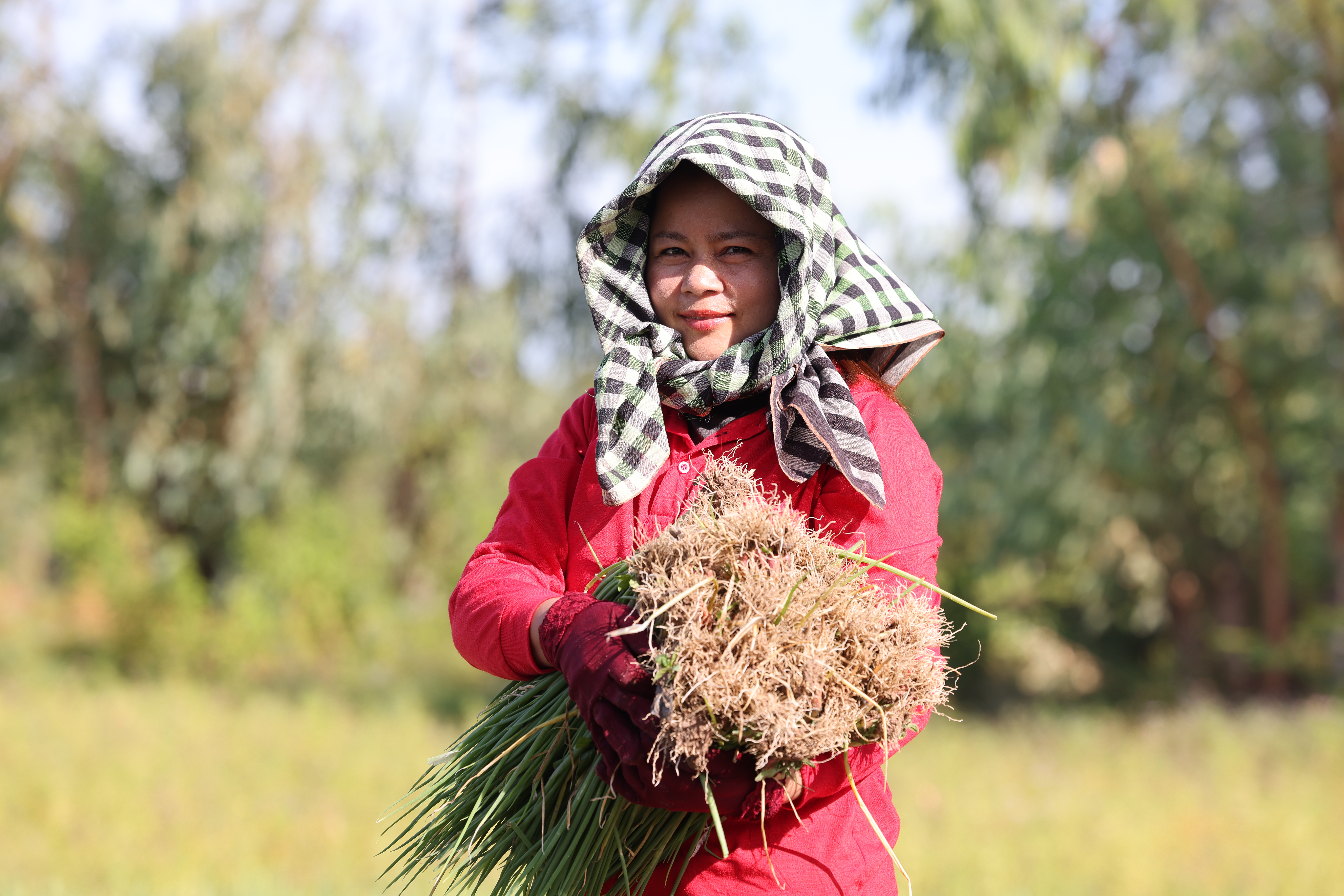
“Behind every successful woman is a community that believes in her,” she says. “And when women rise, the whole community rises with them.”
Chantha’s story is more than personal achievement. It shows how long-term investment in women’s leadership, producer organizations and rural opportunity can reshape communities from within. It is a reminder that inclusive progress begins when women are supported not only as members, but as leaders.
Please download the story: When Women Lead, Communities Thrive: Rith Chantha’s Story of Change in Cambodia